JOIN US AT THE ASH ANNUAL MEETING FOR A PRESENTATION ON ENJAYMO  |  MONDAY 12/12 @ 8 am

Not an official event of the 64th ASH Annual Meeting and Exposition. This presentation is not sponsored or endorsed by ASH. Not CME-accredited. MAT-US-2208046-v1.0-11/2022

VISIT US AT ASH  |  DECEMBER 10-13  |  BOOTH #643

Not an official event of the 64th ASH Annual Meeting and Exposition. This presentation is not sponsored or endorsed by ASH. Not CME-accredited. MAT-US-2208046-v1.0-11/2022

With unpredictable risk and profound fatigue, Cold Agglutinin Disease (CAD) is a severe disease with high unmet need1-5

For patients with Cold Agglutinin Disease, the potential effects of chronic hemolysis can cause acute consequences and chronic risks.

Cold Agglutinin Disease is a rare autoimmune hemolytic anemia with complement-mediated hemolysis via the classical pathway and potential serious acute and chronic consequences.1-4,6,7 Hemolysis in Cold Agglutinin Disease is driven by C1 activation of the classical complement pathway, when cold agglutinins (IgM autoantibodies) recruit and activate C1, typically at body temperatures under 98.6 °F (37 °C).8-10 Get a deeper look at the mechanism of hemolysis in Cold Agglutinin Disease and how ENJAYMO works.

CAD is an insidious disease. I looked perfectly normal, but it was silent, sapping my strength…my energy level just dropped.”

—Nancy, living with Cold Agglutinin Disease

For patients with Cold Agglutinin Disease, the effects of chronic hemolysis can be severe.

blood drop
COLD AVOIDANCE ALONE DID NOT EFFECTIVELY MANAGE COLD AGGLUTININ DISEASE4,6,7
75% of patients needed drug therapy, with a median of 7 therapies needed during follow-up (median duration 42.8 months)
hemolysis
SEVERE ANEMIA PERSISTED OVER TIME2
67% had a severe anemia event within the first 6 months of drug therapy (12/18)
fatigued person
FATIGUE PROFOUNDLY IMPACTED DAILY LIVING2,4,5,11,12
90% reported fatigue having the greatest impact on quality of life (45/50). Of these patients who devised coping mechanisms for fatigue, only 28% were satisfied (12/44)*
  • *Data is derived predominantly from retrospective studies, and/or small patient population analyses. As such, the findings may be subject to selection and recall bias, incomplete data capture, and limited generalizability. These findings should be interpreted with caution and should not be viewed as establishing causal relationships.
  • The STRIDE database did not capture the data required to distinguish primary vs secondary CAD.
Cold Agglutinin Disease can be a serious hardship for patients; with more than half having declared their disease as severe or moderate (27/50)5*
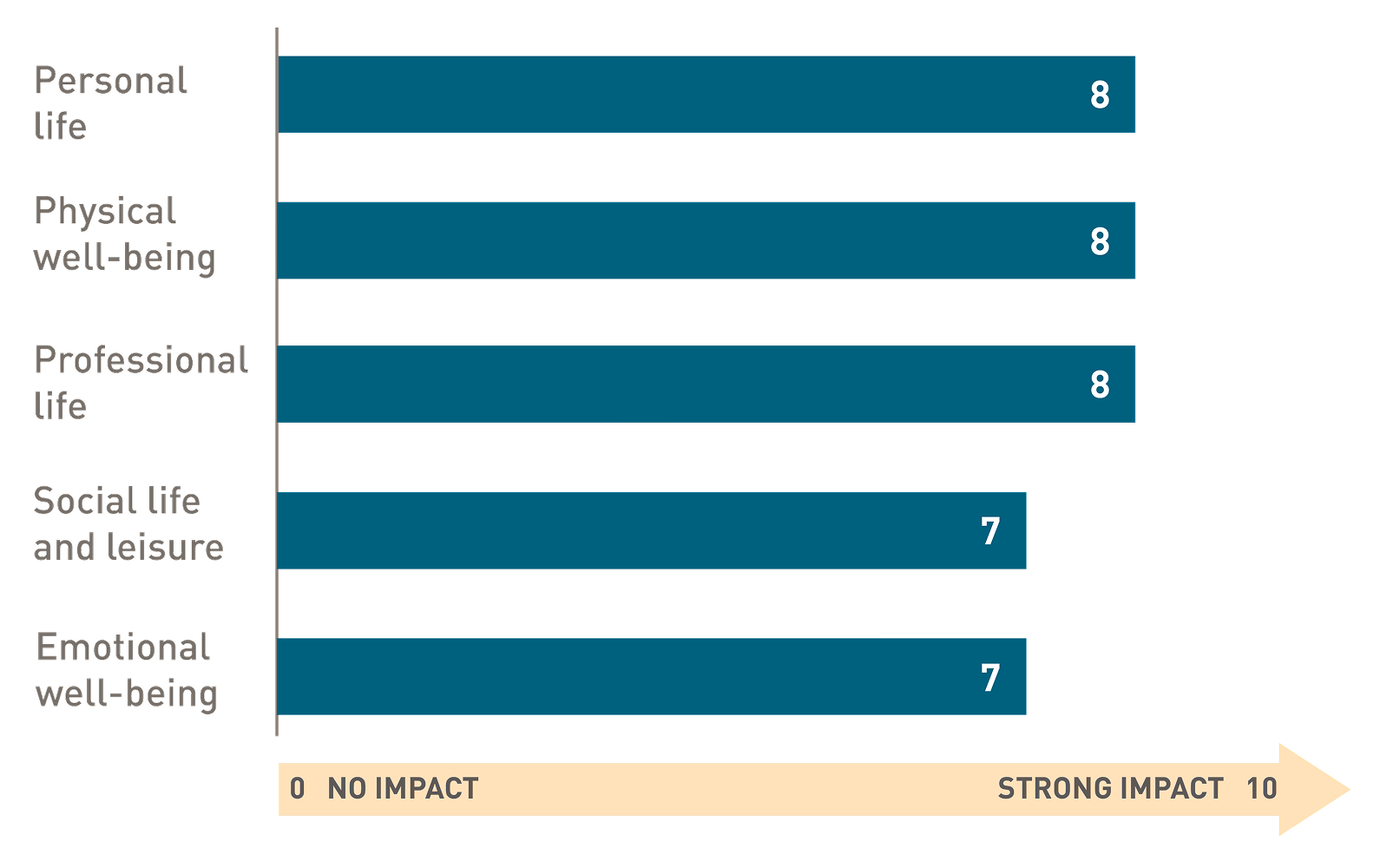
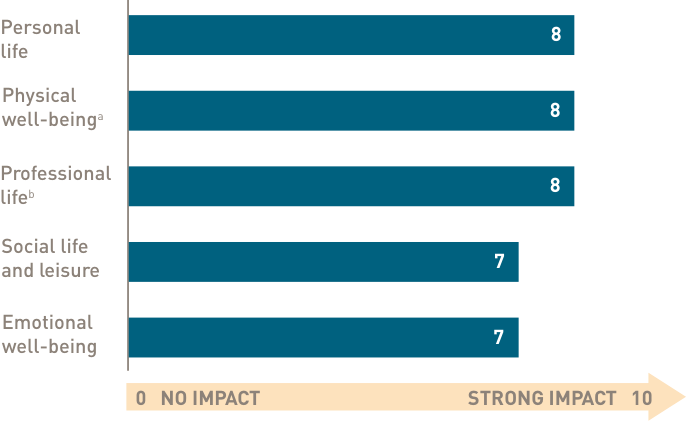
Patients with Cold Agglutinin Disease endured an invisible burden of profound fatigue5,11,12

In a US patient survey, fatigue was the Cold Agglutinin Disease-related symptom patients self-reported as having the greatest impact on their daily lives (45/50)*

Impact of fatigue on daily life from a prospective survey of patients with Cold Agglutinin Disease (n=50)5

  • *Data from a self-administered internet-based survey are likely to be biased toward patients with access to the internet and a computer (ie, a bias to younger and socioeconomically advantaged patients). This study included a small sample size, which limits generalizability. Results are descriptive and should be interpreted with caution.5

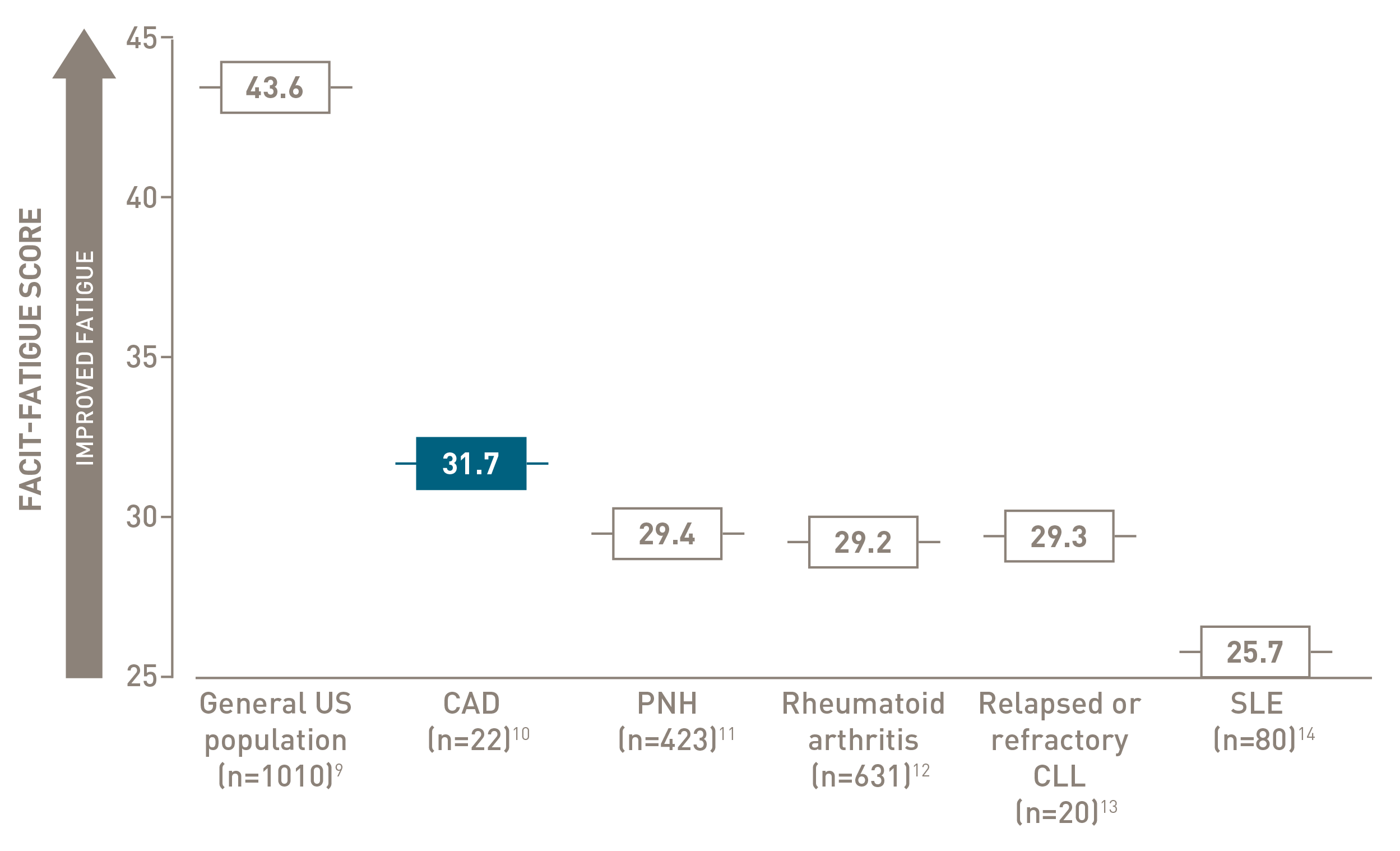
FACIT-Fatigue scores measured in patients with CAD from the CADENZA trial were consistent with other serious conditions13-18

  • FACIT-Fatigue is a patient-reported outcome instrument with scores ranging from 0 to 52, with higher scores indicating less fatigue.
  • FACIT-Fatigue scores across conditions were obtained from different studies with varying patient populations and methodologies. Indirect comparisons are descriptive only and not intended to imply comparative disease burden.

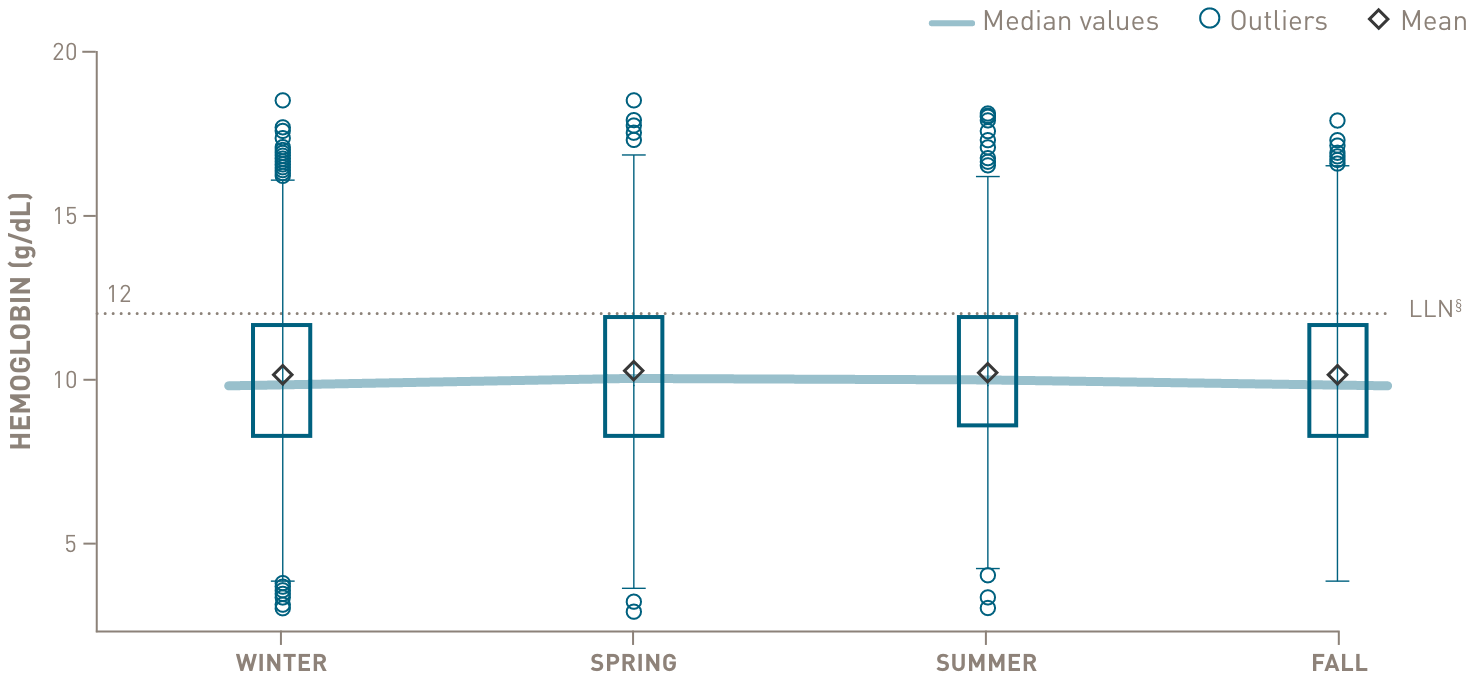
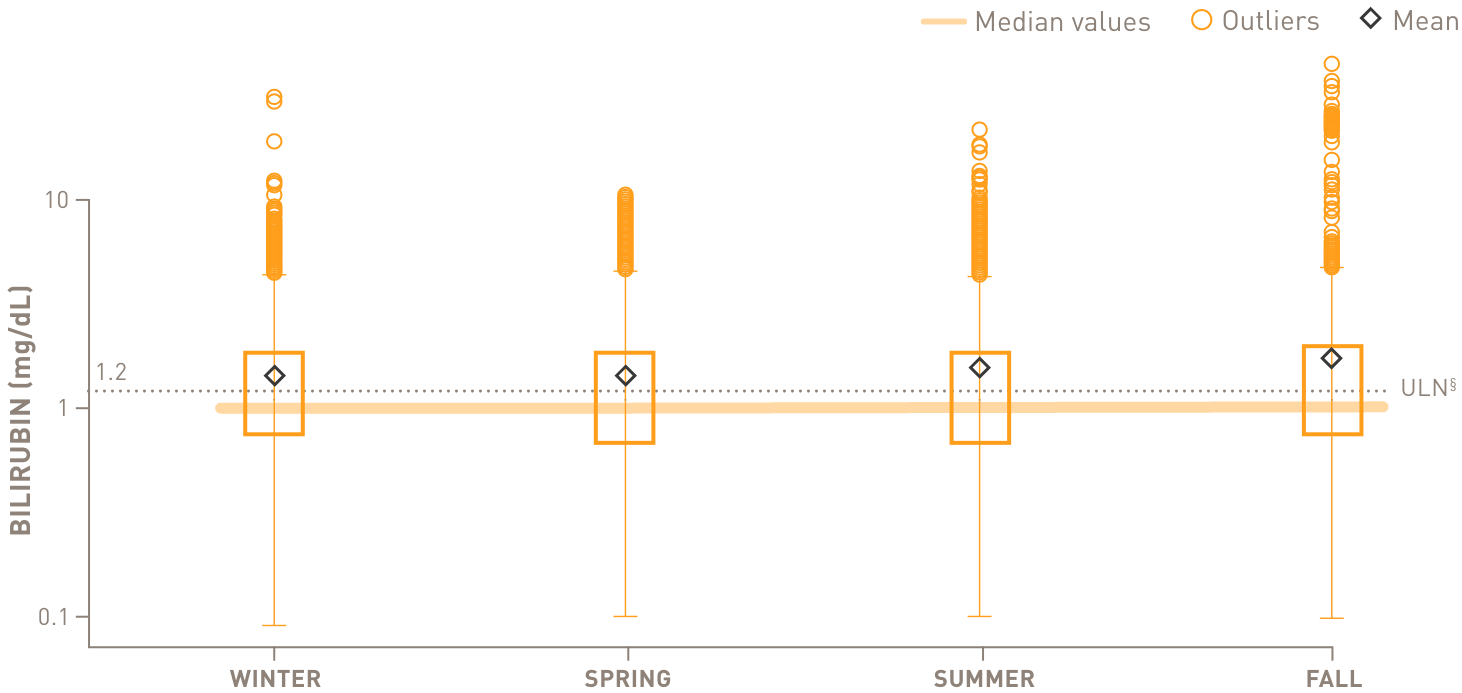
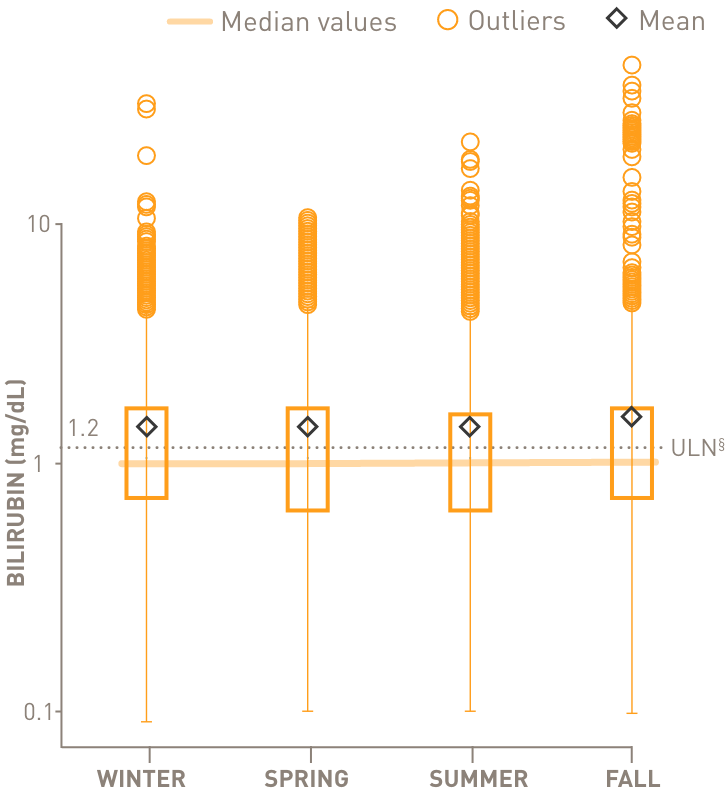
Hemoglibin and bilirubin abnormalities in CAD were observed year-round, regardless of season19*

In a retrospective analysis of patients with Cold Agglutinin Disease (n=594)

Mean values of hemoglobin and bilirubin levels by season

Hb levels by season graph
Mean Hb remained
below the lower limit of normal
through all 4 seasons
bilirubin levels by season graph
Mean bilirubin remained
above the upper limit of normal
through all 4 seasons

The estimated median value for LDH was above normal for all 4 seasons

  • *Retrospective analyses may be subject to selection bias, incomplete or inconsistent documentation, and the inability to control for all confounding variables. CAD diagnosis was not clinically confirmed. These findings should be interpreted with caution and should not be viewed as establishing causal relationships.
  • Normal hemoglobin levels for adults vary, but in general are 14 to 17 g/dL for males and 12 to 16 g/dL for females. Normal bilirubin is 0.3 to 1.2 mg/dL.
  • Adjusted median LDH concentrations ranged from 309.10 to 367.10 U/L across the four seasons and indicated persistent year-round hemolysis for the group, on average (assuming an upper limit of normal of 280 U/L for LDH).
Resulting anemia and fatigue from complement-mediated hemolysis may be impacting patients with Cold Agglutinin Disease more than you realize2,4,5,11,12

ENJAYMO HCP Indication and Important Safety Information

INDICATION

ENJAYMO® (sutimlimab-jome) is indicated for the treatment of hemolysis in adults with cold agglutinin disease (CAD).

IMPORTANT SAFETY INFORMATION

CONTRAINDICATIONS

ENJAYMO is contraindicated in patients with known hypersensitivity to sutimlimab-jome or any of the inactive ingredients.

WARNINGS AND PRECAUTIONS

Serious Infections Including Those Caused by Encapsulated Bacteria

  • ENJAYMO, a proximal classical complement C1s inhibitor, increases susceptibility to serious infections, including those caused by encapsulated bacteria e.g. Neisseria meningitidis (any serogroup, including non-groupable strains), Streptococcus pneumoniae, and Haemophilus influenzae type B.
  • Life-threatening and fatal infections with encapsulated bacteria have occurred in both vaccinated and unvaccinated patients treated with complement inhibitors.
  • Serious infections (bacterial and viral) were reported in 15% (10/66) of patients receiving ENJAYMO in the two phase 3 trials. These infections included urinary tract infection with sepsis, respiratory tract infection, pneumonia, otomastoiditis, and skin infections. One patient (1.5%) died due to Klebsiella pneumoniae.
  • Complete or update vaccination against encapsulated bacteria at least 2 weeks prior to administration of the first dose of ENJAYMO, according to the most current ACIP recommendations for patients receiving a complement inhibitor.
  • If urgent ENJAYMO therapy is indicated in a patient who is not up to date on their vaccine(s), administer as soon as possible.
  • Vaccination does not eliminate the risk of serious encapsulated bacterial infections. Closely monitor patients for early signs and symptoms of serious infection and evaluate patients immediately if an infection is suspected.
  • If ENJAYMO treatment is administered to patients with active systemic infections, monitor closely for signs and symptoms of worsening infection. Some infections may become rapidly life-threatening or fatal if not recognized and treated promptly. Inform patients of these signs and symptoms and steps to be taken to seek immediate medical care.
    • Consider interruption of ENJAYMO treatment in patients who are undergoing treatment for serious infection.
    • Consider patients’ immune status when initiating treatment with ENJAYMO.

Infusion-Related Reactions

  • Administration of ENJAYMO may result in infusion-related reactions. In the two phase 3 trials, 29% (19/66) of patients treated with ENJAYMO experienced infusion-related reactions. One patient permanently discontinued ENJAYMO due to an infusion-related reaction.
  • Monitor patients for infusion-related reactions and interrupt if a reaction occurs.
  • Discontinue ENJAYMO infusion and institute appropriate supportive measures if signs of hypersensitivity reactions, such as cardiovascular instability or respiratory compromise, occur.

Risk of Autoimmune Disease

  • Based on its mechanism of action, ENJAYMO may potentially increase the risk for developing autoimmune diseases such as systemic lupus erythematosus (SLE). Development of SLE has been associated with inherited classical complement deficiency.
  • In clinical trials, 4.5% (3/66) of patients developed a relapse or worsening of previously diagnosed autoimmune disease.
  • Monitor ENJAYMO patients for signs and symptoms and manage medically.

Recurrent Hemolysis After ENJAYMO Discontinuation

  • If treatment with ENJAYMO is interrupted, closely monitor patients for signs and symptoms of recurrent hemolysis, eg, elevated levels of total bilirubin or lactate dehydrogenase (LDH) accompanied by a decrease in hemoglobin, or reappearance of symptoms such as fatigue, dyspnea, palpitations, or hemoglobinuria. Consider restarting ENJAYMO if signs and symptoms of hemolysis occur after discontinuation.

ADVERSE REACTIONS

  • The most common adverse reactions in the CADENZA trial (Part A) (incidence 18%) are rhinitis, headache, hypertension, acrocyanosis, and Raynaud’s phenomenon. The most common adverse reactions in the CARDINAL trial (incidence 25%) are urinary tract infection, respiratory tract infection, bacterial infection, dizziness, fatigue, peripheral edema, arthralgia, cough, hypertension, and nausea.

Please see full Prescribing Information.

See the full Medication Guide.

References:
  1. Berentsen S. Beiske K, Tjønnfjord GE. Primary chronic cold agglutinin disease: an update on pathogenesis, clinical features and therapy. Hematology. 2007;12(5):361-370. doi:10.1080/10245330701045392
  2. Mullins M, Jiang X, Bylsma LC, et al. Cold agglutinin disease burden: a longitudinal analysis of anemia, medications, transfusions, and health care utilization. Blood Adv. 2017;1(13):839-848. doi:10.1182/bloodadvances.2017004390
  3. Broome CM, Cunningham JM, Mullins M, et al. Increased risk of thrombotic events in cold agglutinin disease: a 10-year retrospective analysis. Res Pract Thromb Haemost. 2020;4(4):628-635. doi:10.1002/rth2.12333
  4. Swiecicki PL, Hegerova LT, Gertz MA. Cold agglutinin disease. Blood. 2013;122(7):1114-1121. doi:10.1182/blood-2013-02-474437
  5. Joly F, Schmitt LA, McGee Watson PA, Pain E, Testa D. The burden of cold agglutinin disease on patients' daily life: web-based cross-sectional survey of 50 American patients. JMIR Form Res. 2022:6(7):e34248. doi:10.2196/34248
  6. Pham HP, Wilson A, Adeyemi A, et al. An observational analysis of disease burden in patients with cold agglutinin disease: results from a large US electronic health record database. J Manag Care Spec Pharm. 2022;28(12):1419-1428. doi:10.18553/jmcp.2022.28.12.1419
  7. Berentsen S, Röth A, Randen U, Jilma B, Tjønnfjord GE. Cold agglutinin disease: current challenges and future prospects. J Blood Med. 2019;10:93-103. doi:10.2147/JBM.S177621
  8. Noris M, Remuzzi G. Overview of complement activation and regulation. Semin Nephrol. 2013;33(6):479-492. doi:10.1016/j.semnephrol.2013.08.001
  9. Berentsen S. Complement activation and inhibition in autoimmune hemolytic anemia: focus on cold agglutinin disease. Semin Hematol. 2018;55(3):141-149. doi:10.1053/j.seminhematol.2018.04.002
  10. Shi J, Rose EL, Singh A, et al. TNT003, an inhibitor of the serine protease C1s, prevents complement activation induced by cold agglutinins. Blood. 2014;123(26):4015-22. doi:10.1182/blood-2014-02-556027
  11. Röth A, Barcellini W, D'Sa S, et al. Sutimlimab in Cold Agglutinin Disease. N Engl J Med. 2021;384(14):1323-1334. doi:10.1056/nejmoa2027760
  12. Barcellini W, Zaninoni A, Giannotta JA, Fattizzo B. New insights in autoimmune hemolytic anemia: from pathogenesis to therapy stage 1. J Clin Med. 2020;9(12):3859. doi:10.3390/jcm9123859
  13. Cella D, Lai J-S, Chang C-H, Peterman A, Slavin M. Fatigue in cancer patients compared with fatigue in the general United States population. Cancer. 2002;94(2):528-538. doi:10.1002/cncr.10245
  14. Röth A, Berentsen S, Barcellini W, et al. Sutimlimab in patients with cold agglutinin disease, results of the randomized placebo-controlled phase 3 CADENZA trial. Blood. 2022;140(9):980-991. doi:10.1182/blood.2021014955
  15. Cella D, Johansson P, Ueda Y, et al. Clinically important difference for the FACIT-Fatigue scale in paroxysmal nocturnaI hemoglobinuria: a derivation from internationaI PNH registry patient data. Blood. 2023;138(Suppl 1I):1952-1954. doi:10.1186/s41687-023-00609-4
  16. Cella D, Yount S, Sorensen M, Chartash E, Sengupta N, Grober J. Validation of the Functional Assessment of Chronic Illness Therapy Fatigue Scale relative to other instrumentation in patients with rheumatoid arthritis. J Rheumatol. 2005:32(5):811-819.
  17. Eek D, lvanescu C, Corredoira L, Meyers O, Cella D. Content validity and psychometric evaluation of the Functional Assessment of Chronic Illness TherapyFatigue scale in patients with chronic lymphocytic leukemia. J Patient Rep Outcomes. 2021;5(1):27-37. doi:10.1186/s41687-021-00294-1
  18. Goligher EC, Pouchot J, Brant R, et al. Minimal clinically important difference for 7 measures of fatigue in patients with systemic lupus erythematosus. J Rheumatol. 2008;35(4):635-642.
  19. Röth A, Fryzek J, Jiang X, et al. Complement-mediated hemolysis persists year round in patients with cold agglutinin disease. Transfusion. 2022;62(1):51-59. doi:10.1111/trf.16745
  20. ENJAYMO. Prescribing information. Recordati Rare Diseases Inc.; 2024.
  21. Panicker S, Shi J, Rose EL. TNT009, a Classical complement pathway specific inhibitor, prevents complement dependent hemolysis induced by cold agglutinin disease patient autoantibodies. Blood. 2013;122(21):42-42. doi:10.1182/blood.V122.21.42.42
expand arrow

ENJAYMO INDICATION

ENJAYMO® (sutimlimab-jome) is indicated for the treatment of hemolysis in adults with cold agglutinin disease (CAD).

IMPORTANT SAFETY INFORMATION

CONTRAINDICATIONS

ENJAYMO is contraindicated in patients with known hypersensitivity to sutimlimab-jome or any of the inactive ingredients.

WARNINGS AND PRECAUTIONS

Serious Infections Including Those Caused by Encapsulated Bacteria

  • ENJAYMO, a proximal classical complement C1s inhibitor, increases susceptibility to serious infections, including those caused by encapsulated bacteria e.g. Neisseria meningitidis (any serogroup, including non-groupable strains), Streptococcus pneumoniae, and Haemophilus influenzae type B…